
Latest News
Detpak opens US manufacturing facility in Spartanburg, South Carolina
20 July 2026
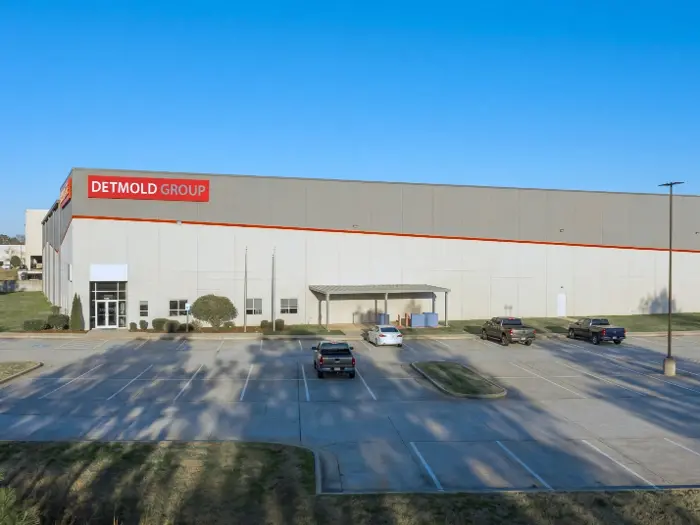
Global packaging supplier Detpak has opened a new manufacturing facility in Spartanburg, South Carolina, strengthening its ability to support major Quick Service Restaurant (QSR) customers with locally produced, paper-based packaging solutions.
Detpak is a trusted packaging partner to some of the world’s largest and most recognizable QSR, foodservice, Fast Moving Consumer Goods (FMCG) and retail brands, with experience supplying global customers such as McDonald’s, KFC, Starbucks, and Wendy’s across multiple international markets, including in the United States. The company sells in 45 countries and owns manufacturing facilities in eight countries.
The new US manufacturing facility marks a significant step in Detpak’s global expansion and reinforces its long-term commitment to the North American market. By combining its global expertise with local manufacturing capability, Detpak will be better positioned to support US customers with improved supply chain reliability, reduced lead times and greater operational flexibility.
“As we continue to grow our global footprint, opening our own manufacturing facility in the United States is a key milestone for our business,” CEO Sascha Detmold Cox said.
“It allows us to better support our customers with locally-manufactured products and reinforces our commitment to the US market where we have been supplying customers from our international plants for over 20 years. We’re focused on building long-term partnerships and delivering the same level of service, innovation and reliability that our customers experience globally.”
“We’re proud to be investing in the Spartanburg community and creating new employment opportunities in South Carolina.” Ms Detmold Cox said.
Initially employing more than 50 people from the local community, the multi-million dollar facility spanning 16,300 square metres is currently undergoing equipment commissioning, with full production commencing in August.
About Detpak and the Detmold Group
Fully-owned by the Detmold Group, Detpak designs, manufactures and supplies the Quick Service Restaurant (QSR), Fast-Moving Consumer Goods (FMCG), grocery and food services industry with world-class sustainable paper and cardboard packaging solutions. Detpak delivers a level of service and care that exceeds standards, with the understanding and operational integrity of a family-owned business. Many of the paper and board packaging products used in the fast-food industry, including from Starbucks, Uber Eats, Burger King and Krispy Kreme are supplied by Detpak.
With headquarters in Australia, the Detmold Group is a 78-year-old, family-owned and operated business, supplying packaging to the world’s largest and most iconic food and retail brands.
Recent News
- Why legal and PR professionals should be the best of friends in a crisis
- Kath Moore's artwork transforms Popeye into a journey through country
- From primary school putters to 80-year-old beginners: SA golf club named Australia's best
- Local Kitchen Co becomes SA's first ready-meal retailer to offer Support at Home and NDIS meals for in-store purchasing
- When someone says they’re not OK, would you know what to do?
- First day of school for newest Facility Dog Westy
- Internal communications: the overlooked key to attracting and retaining talent
- Artists step up in support of people experiencing homelessness
- Australian and Korean business leaders meet to discuss partnerships in space, resources and AI
- Cardiac breakthrough offers potentially life-saving treatment for more patients
- On your paws... go! Let's walk with purpose at the last ever PAWGUST
- Breaking Bad (News)
- More choice and more capacity for Adelaide travellers as Singapore Airlines goes 12 times weekly
- International students hit country roads on jobs drive
- Detpak opens US manufacturing facility in Spartanburg, South Carolina
- Yugo Perth University Campus Student Accommodation Building Opens in Waterford
- Blog: Broadcasting vs. Narrowcasting: Why Modern PR Needs Both
- Walk with purpose at our last ever PAWGUST!
- New CFO and expanded Board under Unity Housing merger
- China Eastern arrival links Adelaide and Shanghai for the first time
 We'd love to chat